Chamyari
Chamyari: The Dance of the Dragonflies. (잠자리의 춤)
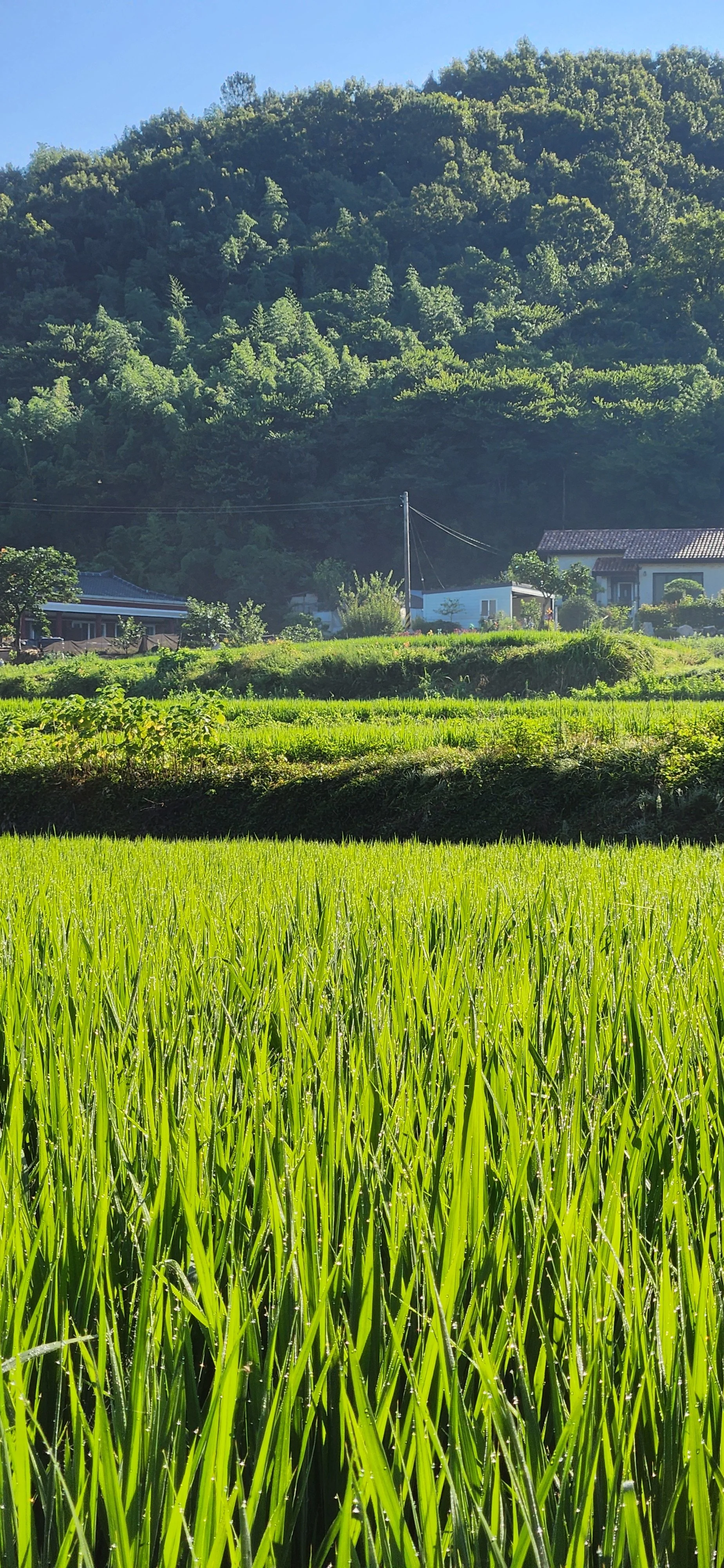
Chamyari is born from the contrast between two images that are difficult to reconcile. In Wolha-ri, during the summer months, the rice fields are covered in a bright green that, on sunny days, merges with the reflection of the water. Above this living surface, hundreds of dragonflies trace circles in the air, surrendered to a constant movement that seems to celebrate existence itself. All of this is framed by the mountains of Wolchulsan National Park, imposing and silent.
Weeks later, an opposite image appears without warning: a dead dragonfly on the floor of a public restroom in Seoul. A minimal gesture, almost insignificant, yet charged with a silent violence. Life, suspended. Movement, interrupted.
The piece emerges precisely from the attempt to connect these two extremes: fullness and fragility, the dance and its final stillness. The music moves between lightness and tension, between open passages and denser textures, as if searching for a language capable of holding both realities without judging them.
Chamyari is not only an evocation of nature, but a reflection on impermanence. A reminder that the most intense beauty is often the most vulnerable — and that even within the starkest contrast, a profound form of sonic poetry can arise.